The small sala
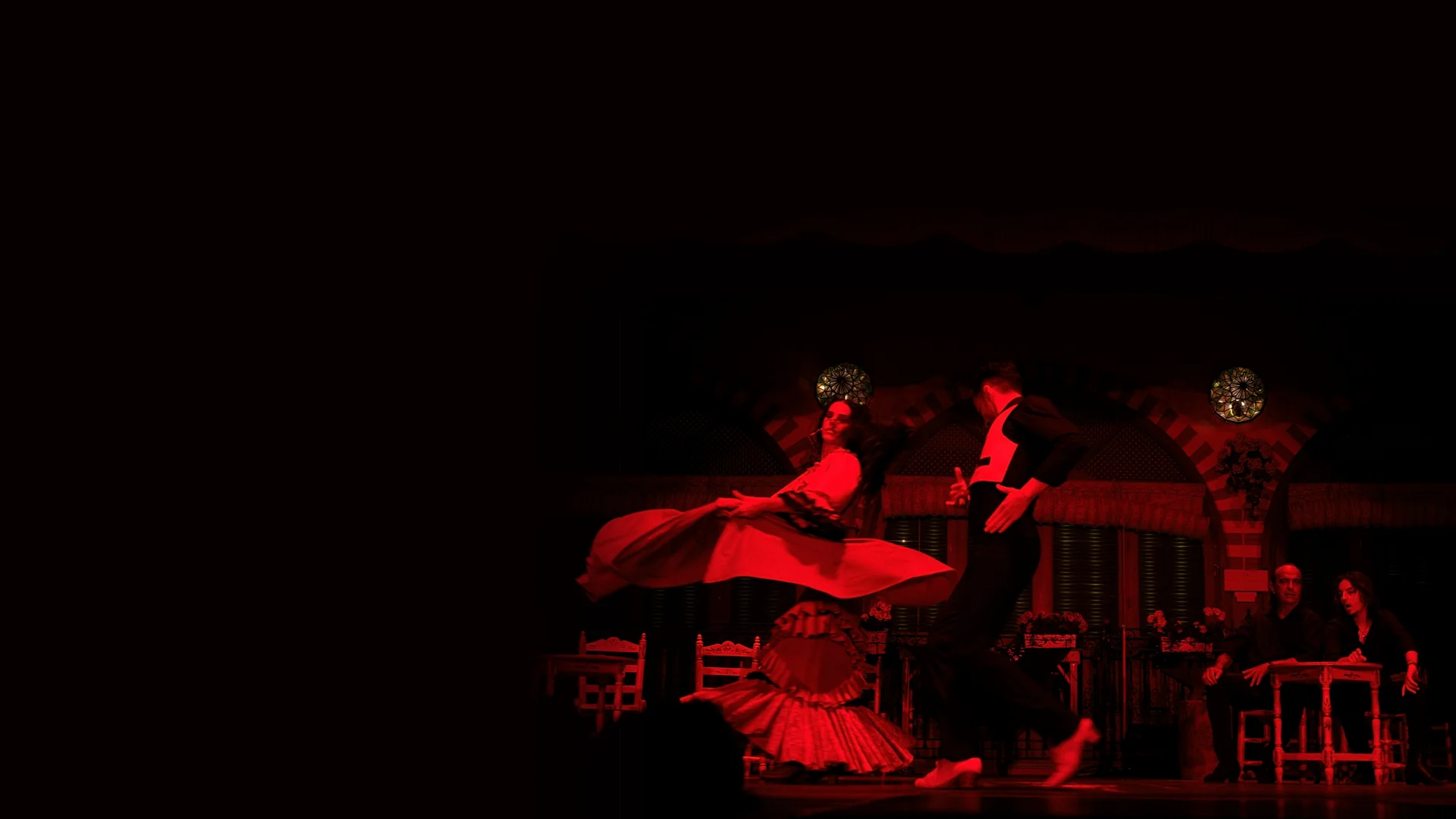
One room in Triana, four artists in the foreground, about an hour and a drink. You are close enough to follow the footwork and the guitarist's hands.
Seville · Triana
A small room by the Guadalquivir, with a singer, a guitarist and two dancers in the foreground and a drink included.
Four artists, one hour of cante, guitar and baile, and a drink, on the banks of the Guadalquivir.
The hour at a glance
Why Triana, and why a small room
Triana lies on the Guadalquivir's west bank, and its people, the trianeros, identify strongly with it and consider it different in character from the rest of Seville. The city's tourism office calls it the birthplace of potters, bullfighters, sailors and flamenco artists, and it still keeps ceramics workshops and flamenco venues side by side.
The venue describes a traditional tablao show in a room called Lola de los Reyes, a comfortable space with Andalusian decoration where the artists perform in the foreground. Four artists share it: a singer, a guitarist, a male dancer and a female dancer. There is no gap to cross between you and them.
The word comes from tablado, a wooden platform. Tablaos spread across Spain in the 1960s as successors to the cafés cantantes, and Seville's tourism office calls them the direct heirs of those cafés. Drinks are part of the setting, so a glass in hand suits the hour.
Six words, one hour
Flamenco has its own vocabulary, and the same six words turn up in every serious guide to it. Here is each one, with what to listen or watch for in a room with a singer, a guitarist and two dancers.
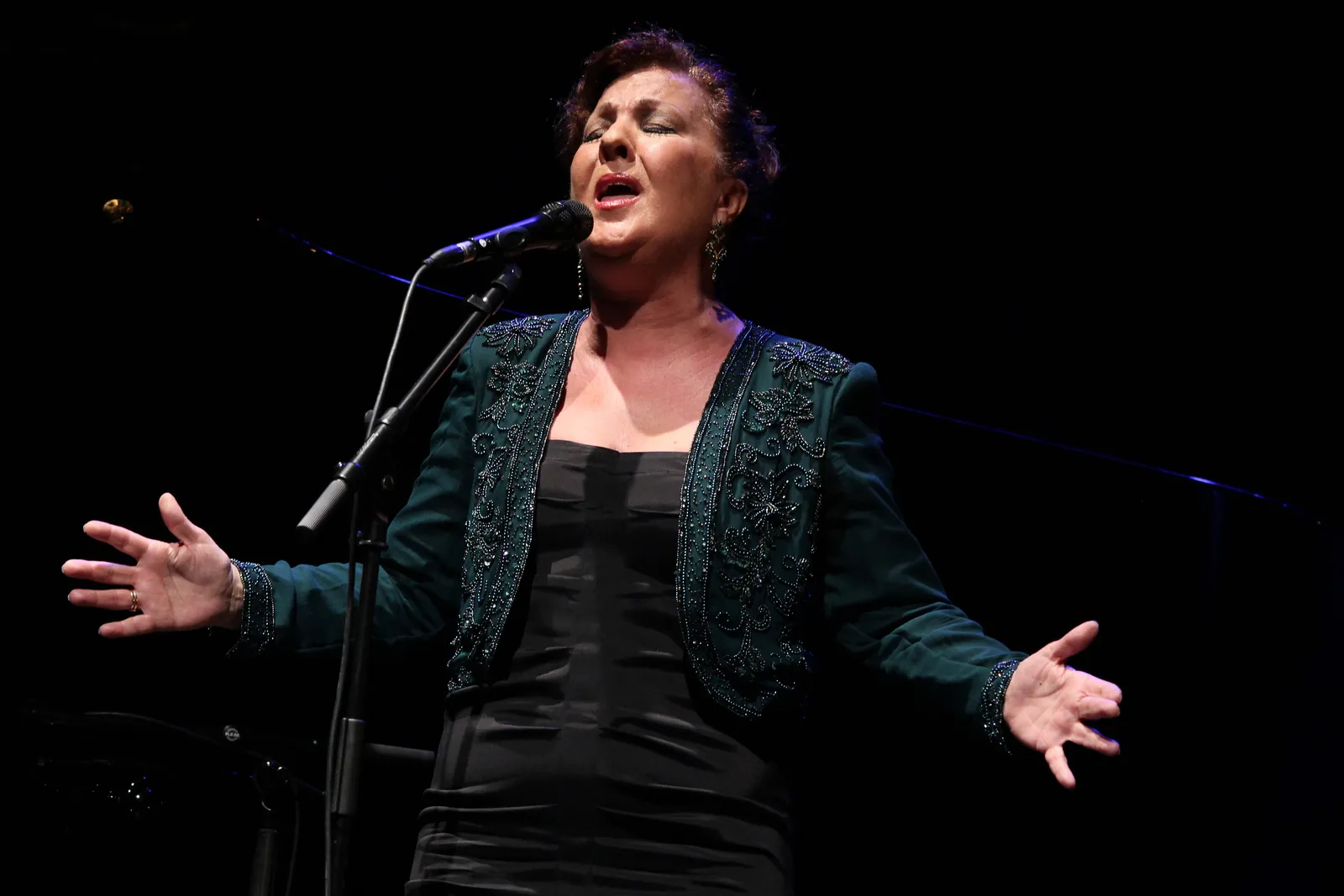
Song is the centre of the evening. UNESCO notes that the singer works alone, usually seated, with lyrics that are short and plain yet reach from mourning to celebration. Watch the singer's face as a verse builds.
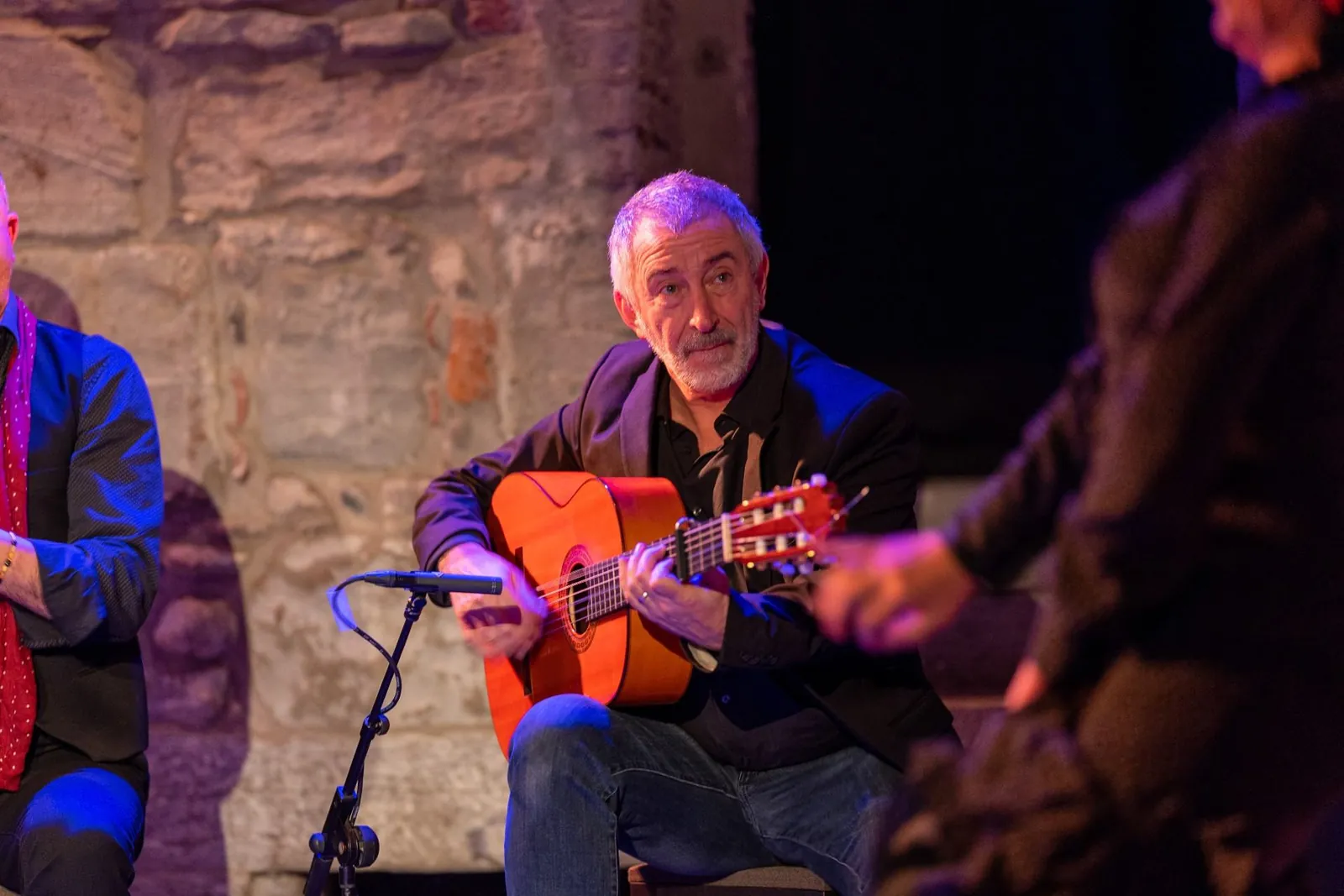
The guitar is more than a backdrop, and UNESCO says it left the role of mere accompaniment behind long ago. Listen for the little melodies the guitarist slips between verses, called falsetas, and for taps on the soundboard that work as percussion.
The dance moves through every mood from sadness to joy, and its technique is complex. The footwork is a language in itself, and the dancers answer the singer and the guitar instead of following a fixed track.
The word means the rhythmic cycle of a piece. The most common cycle in flamenco has twelve beats, with accents that shift from one form to the next, and hand-clapping keeps it when no guitar is playing.
Rhythmic clapping and calls such as olé that urge the performers on. It is part of the art, not an interruption, and it shows how closely the performers listen to one another.
Federico García Lorca's word for a mysterious power that goes beyond technique. Andalusians say an artist sings, plays or dances with duende. You can't book it; you notice it when a room goes still.
The artists shape the programme, so treat this as a listening guide, not a running order. The calendar on the booking page shows the sessions for your night.
Seville stages flamenco at very different scales. This page books the small-room kind.
One room in Triana, four artists in the foreground, about an hour and a drink. You are close enough to follow the footwork and the guitarist's hands.
A larger stage and company, sometimes with dinner sold around the show. It suits a different evening and is booked as a separate product.
What the ticket covers
Seven short facts to read before you book.
Flamenco and Triana
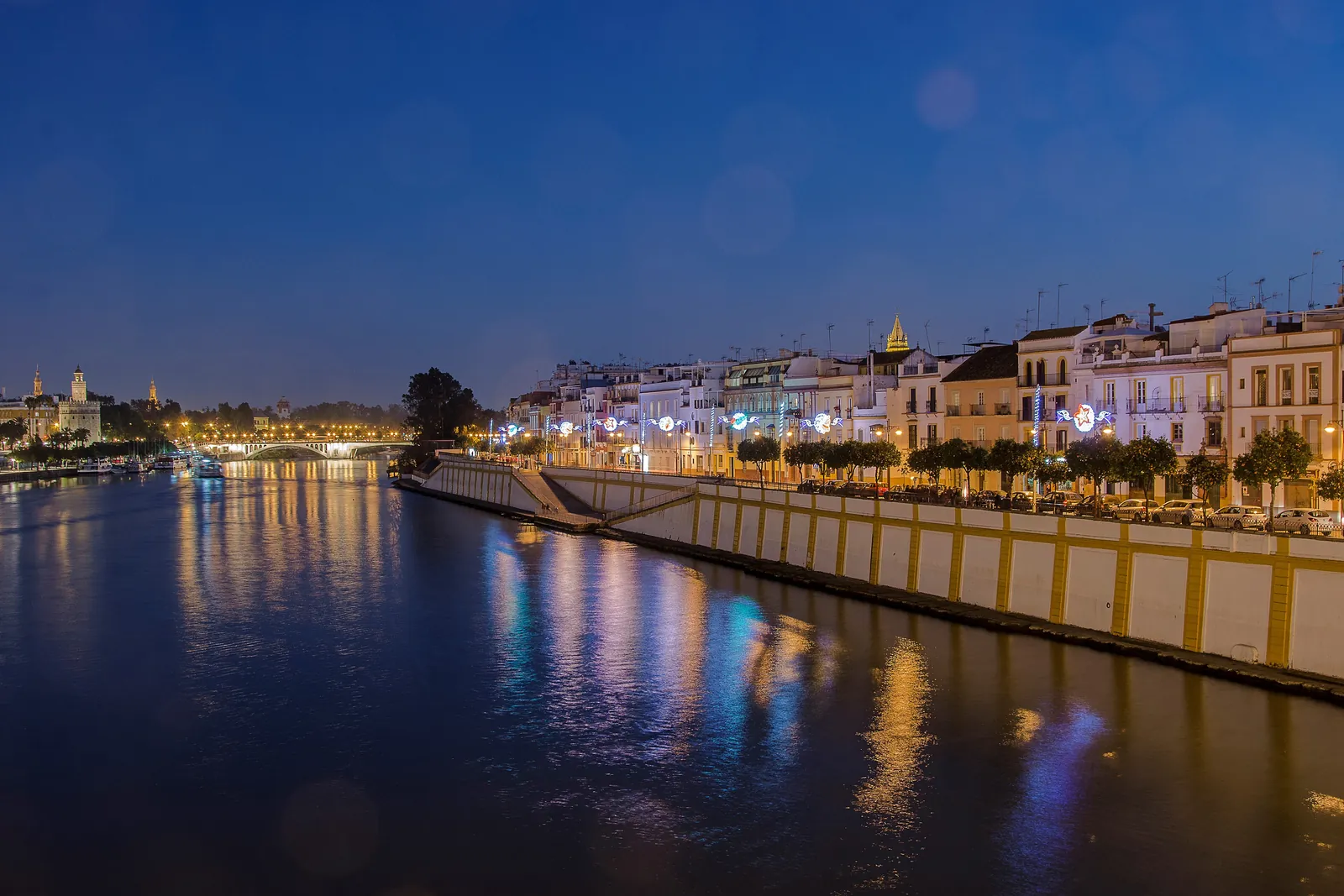
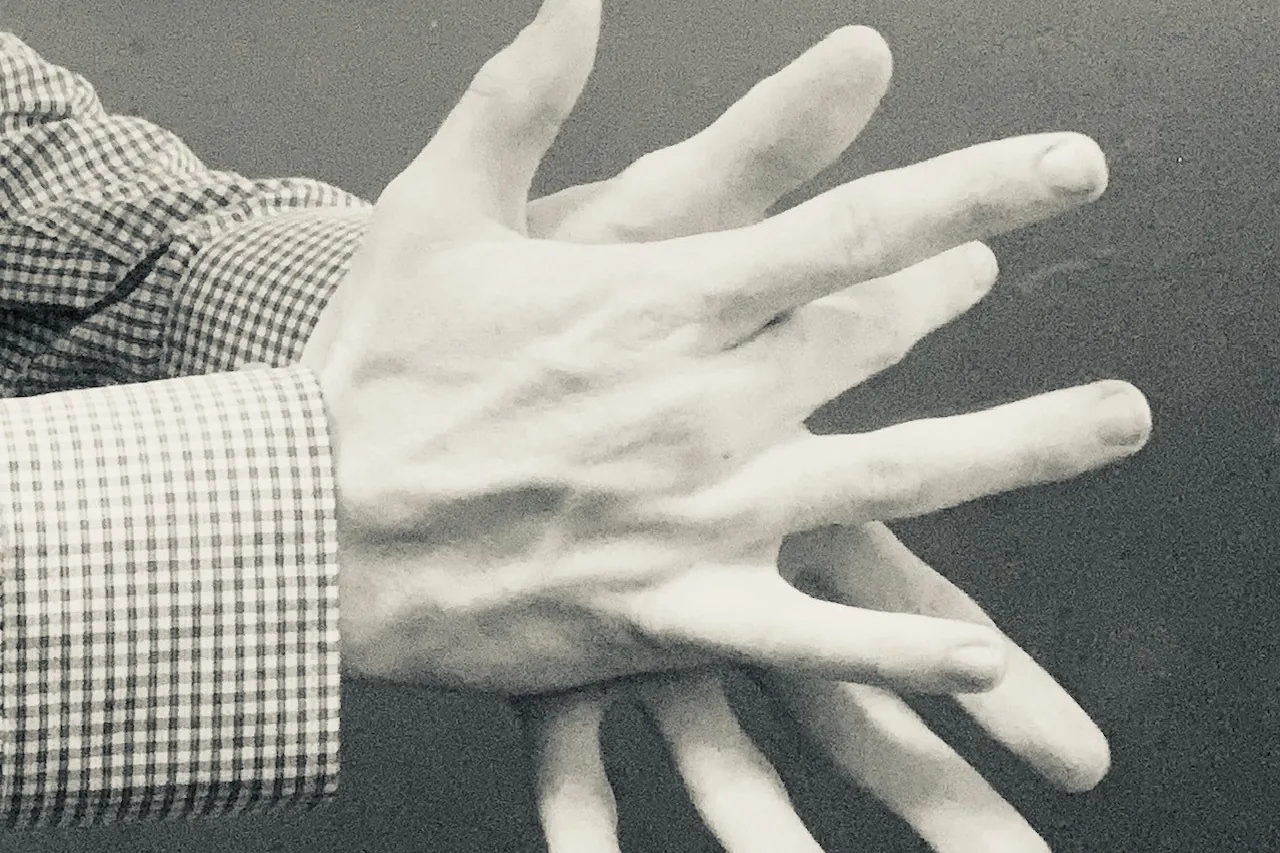
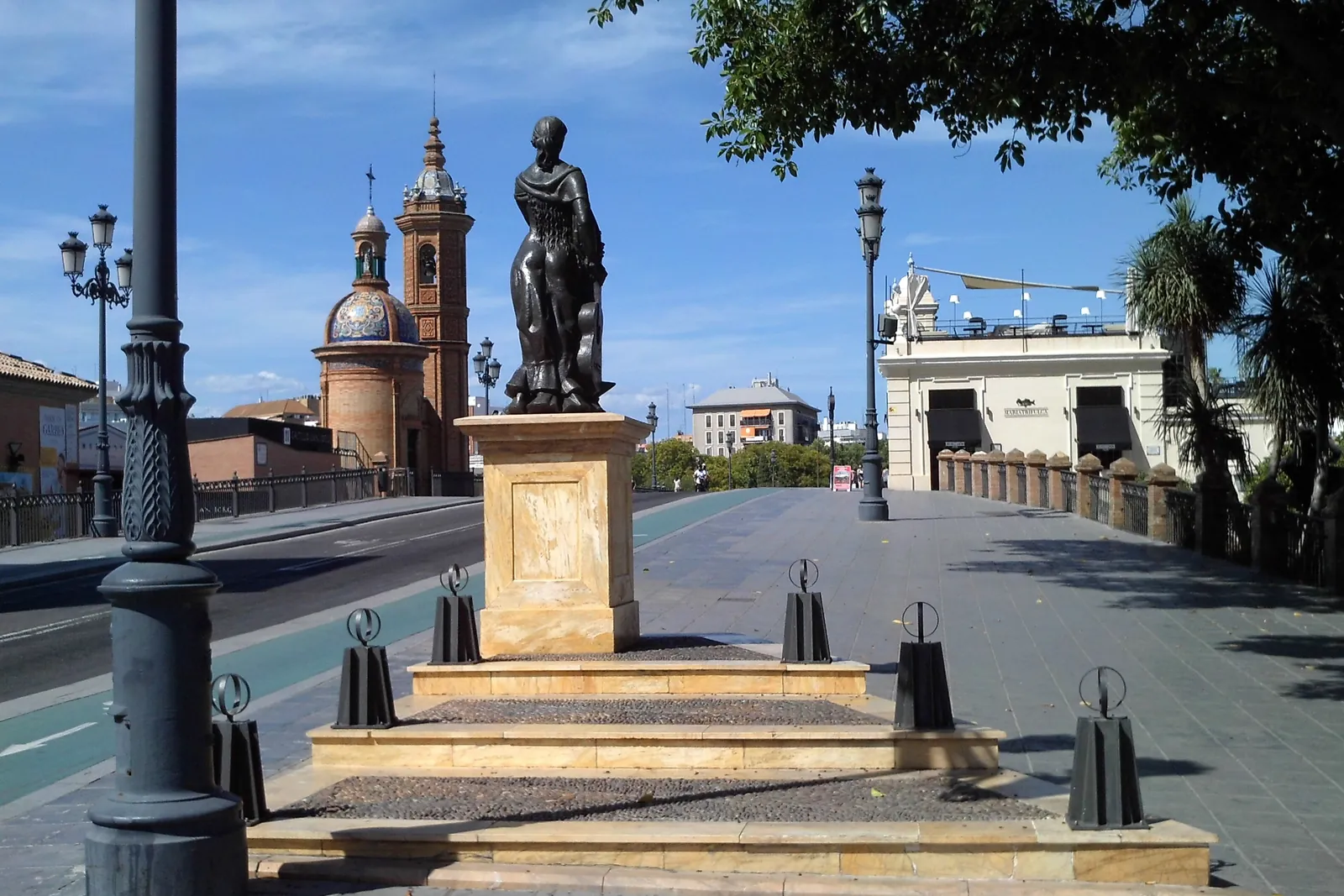
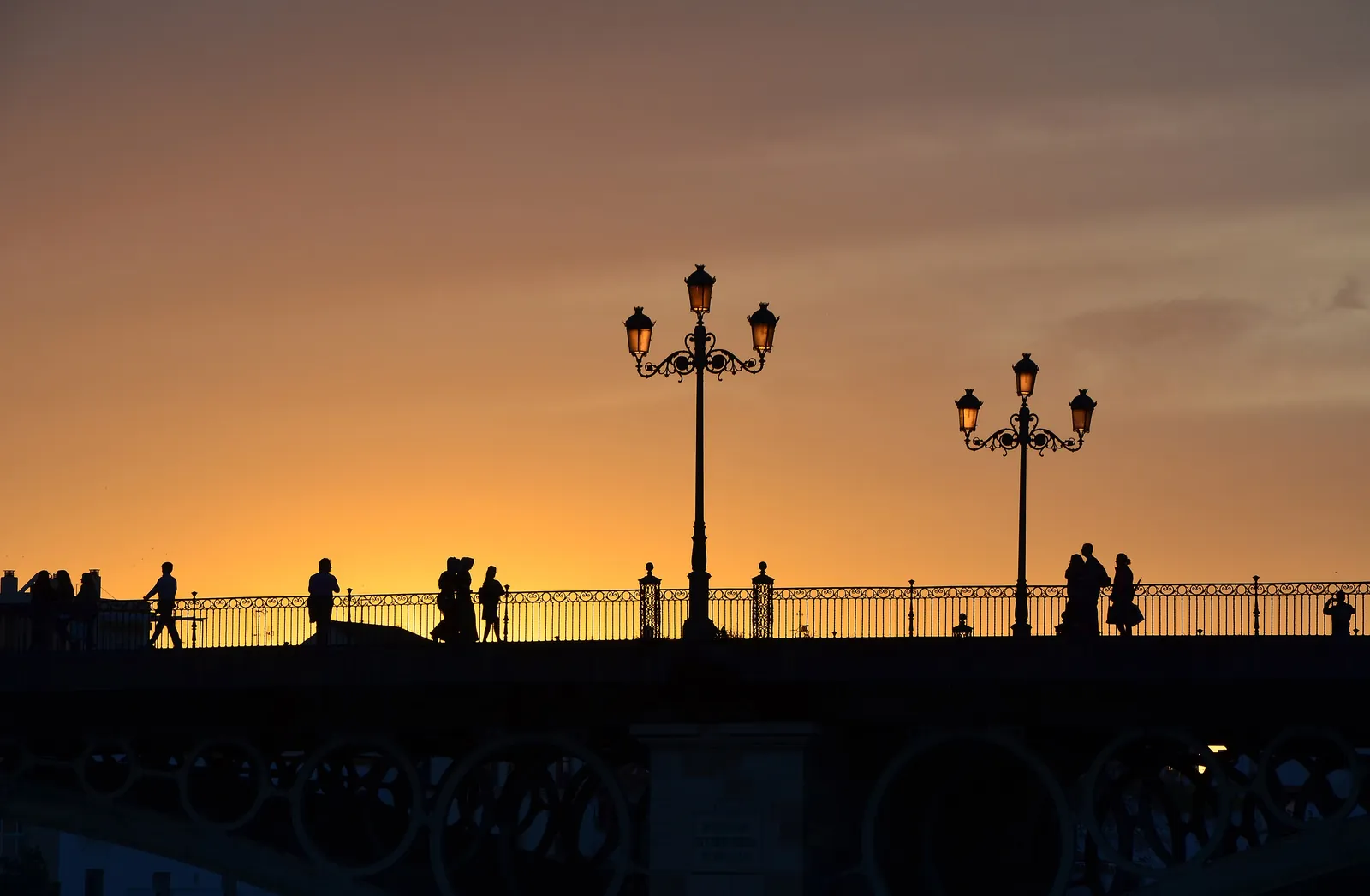
These photographs show flamenco performers, a close-up of hands keeping the rhythm, and the streets and river of Triana. None shows the inside of Baraka's own room.
Three ways to see flamenco
| Format | What it is | Best for |
|---|---|---|
| Small sala (this ticket) | One room in Triana, four artists in the foreground, about an hour and one drink. | Flamenco up close, in a single short evening slot |
| Large tablao or theatre | A bigger stage and company, with a longer programme or dinner sold around it. A separate product. | Spectacle, or dinner and show in one booking |
| Peña or flamenco club | A neighbourhood club where the art is shared among enthusiasts. Programmes and visitor access are set by each club. | Seeing flamenco as the people who follow it do |
Book your night
Both tickets below are an hour of live flamenco in a Triana room. Choose a date below to see open sessions and their start times.
One hour in the Lola de los Reyes room: a singer, a guitarist and two dancers up close, and a drink.
A separate Triana venue: an hour-long show with four artists, with a drink and an Iberian dish on the premium option.
Other things to do in Seville
Plan the evening
Baraka Sala Flamenca is at Calle Pureza 107 in Triana. Calle Pureza is the old quarter's main street, and it lies south of the Altozano square at the foot of the bridge.
You can cross the Puente de Isabel II, known as the Triana Bridge, on foot from the centre. The Altozano square is the traditional gateway to the barrio, and Calle Pureza lies south of it.
Calle Betis runs along the river with bars, restaurants and terraces, and the Triana Market stands by the bridge. Food is not part of the ticket, so reserve dinner around your session.
The booking page lists English and Spanish. The show is mostly music and movement, so you can follow it without Spanish.
Children under 4 are not admitted, and every child must be with an adult. Unaccompanied minors are not allowed.
Sessions at the venue vary by season, so trust the calendar on the booking page for open nights. Cancelling is free until the day before, and you can hold a night now and pay afterwards.
Guides to Baraka, Triana and flamenco itself
What the Baraka Sala Flamenca ticket covers, how the small Triana room works, who it suits and how a sala compares with a big tablao.
Read the guide → The practical guideHow to reach Baraka Sala Flamenca in Triana, what to see on the way, where to eat around the show and how to plan the evening.
Read the guide → The art form behind the showWhat flamenco is, where it came from, how song, dance and guitar fit together and what UNESCO says about it, before you see a show.
Read the guide → The barrio around the roomThe history of Triana, the barrio across the Guadalquivir where potters, sailors and flamenco artists lived, and what survives of it today.
Read the guide → Choosing a formatHow to choose between a small sala, a large tablao and a neighbourhood peña, and which questions to ask before you book a flamenco show in Seville.
Read the guide → Watching and listeningSix ideas that make a flamenco show easier to follow: the singer, the guitar, the dance, the rhythm cycle, the shouts of encouragement and duende.
Read the guide →FAQ
About an hour. Each night on the booking calendar shows its start time, and your confirmation repeats it.
Yes, one drink per ticket: a soft drink, juice, beer, wine or sangría. Meals and hotel transfers are not included.
Four artists: a singer, a guitarist, a male dancer and a female dancer, in the room called Lola de los Reyes.
Children under 4 are not admitted, and children must be accompanied by an adult. Unaccompanied minors are not allowed.
Calle Pureza 107, in Triana, on the west bank of the Guadalquivir. The street is the old quarter's main thoroughfare.
A sala is a single small room where four artists perform in the foreground. Larger tablaos use a bigger stage and company, and some sell dinner with the show.
No. The booking page lists English and Spanish, and the show is song, guitar and dance.
The GetYourGuide booking offers free cancellation until a day before, and a pay-later option that holds a night while you decide.
Prices move from night to night. Once you pick a date, the booking page shows the fare in your own currency.